
How to Choose a Local Bird Guide for Your Birding Trip
By Bird Tripping · · 7 min read
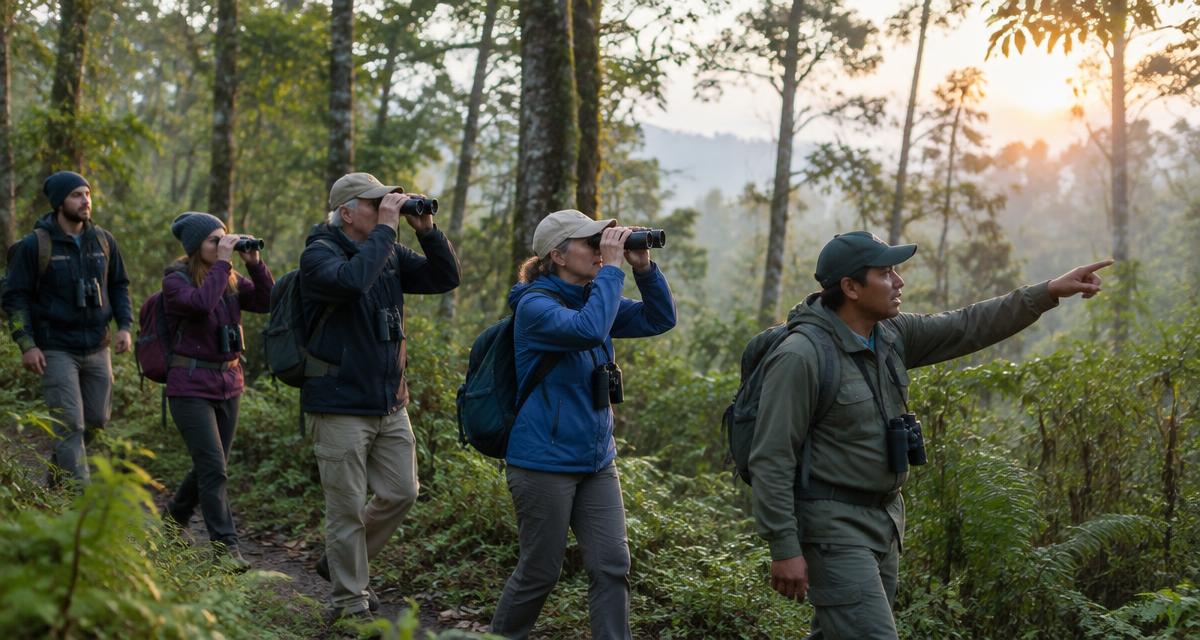
A good local guide can turn a day of wandering into a day of real birding: the right habitat at the right hour, calls identified before you'd have noticed them, and a plan that fits how you like to bird. A poor match can mean a rushed day, a group that's too big, or a guide whose style simply isn't yours. The good news is that most of the difference shows up in a few honest conversations before you book.
Below is a practical checklist you can use when you browse bird guides or message someone about a tour.
Start with what you want from the day
Before comparing guides, get clear on your own priorities. Guides plan very differently for a first-time visitor who wants to see as much as possible than for an experienced birder chasing a handful of regional specialties, or for a photographer who needs time and light.
- Is this your first time birding the region, or are you filling gaps on a list?
- Do you care most about variety, a few specific birds, photography, or a relaxed day outdoors?
- How long can you comfortably walk, and on what terrain?
- Do you want a private outing or are you happy to join a shared group?
Writing these down makes every later conversation shorter and more useful, and it lets a guide tell you honestly if they're the right fit.
Questions about target birds (and how to read the answers)
Ask which birds are realistic for your dates and how the guide would approach them. Good answers usually sound specific and hedged at the same time: they name habitats, times of day and seasons, and they explain that some birds are likely while others are possible with luck.
- "Which of my targets are realistic in this month, and which are long shots?"
- "Where would we look, and what time would we need to start?"
- "If we miss a key bird in the morning, what's the backup plan?"
Be cautious of anyone who guarantees a wild bird, or who gives you a long list of 'sure things' without asking when you're traveling. Bird presence depends on season, weather, breeding activity and plain luck. Experienced guides know this and say so.
Ethics: how the guide treats birds and habitat
Field ethics are a fair thing to ask about directly, and a thoughtful guide will be glad you did. Areas worth discussing:
- Use of playback: when they use it, how often, and whether they avoid it during breeding season or for sensitive species.
- Distance from nests, roosts and displaying birds, especially for photographers.
- Staying on trails and respecting private land and local rules.
- How they share locations of sensitive or rare species, if at all.
There isn't a single correct answer for every situation, but there should be a considered one. A guide who can explain their reasoning is usually a guide who's thought about the birds' welfare as well as your list.
Pace, group size and style
Two guides can visit the same reserve and deliver completely different days. Ask:
- What is the maximum group size, and is there a minimum number of guests for the tour to run?
- How much walking is typical, and how much time is spent waiting quietly at one spot?
- Do they carry a spotting scope, and will everyone get a look?
- Is the day built around covering many sites or working one area thoroughly?
Small groups usually mean better views and more flexibility. On Bird Tripping you can filter for day tours or multi-day trips and compare how each guide describes their walking level and group size.
Logistics to confirm in writing
- Start time, meeting point and whether hotel pickup is included.
- Transport: whose vehicle, and is it suitable for the roads involved?
- What's included: entrance fees, meals, water, scope, permits.
- Language spoken in the field.
- Deposit, payment method and the cancellation policy, including what happens with bad weather.
Bird Tripping is a free directory: you contact the guide and arrange the booking and payment directly with them. That makes it especially worth getting the price, inclusions and cancellation terms confirmed in a message before you pay anything.
Warning signs of vague promises
- Guarantees of specific wild birds or '100% success' claims.
- Species counts quoted without a season, number of days or location.
- No clear answer on group size, inclusions or cancellation terms.
- Pressure to pay in full immediately, or reluctance to put details in writing.
- Photos or reviews that don't seem to match the area being offered.
None of these alone proves a problem, but together they're a reason to ask more questions or keep looking.
What good signs look like
A guide who asks about your experience and targets before quoting, gives honest odds, explains their field ethics, sends clear written terms, and has reviews from birders that mention specific details of the day. Local knowledge shows up in specifics: which trail floods in the wet season, when a fruiting tree is attracting birds, or which access road is closed this year.