
Southeast Arizona Guided Birding: How to Plan a Sky Islands Trip With a Local Guide
By Bird Tripping · · 5 min read
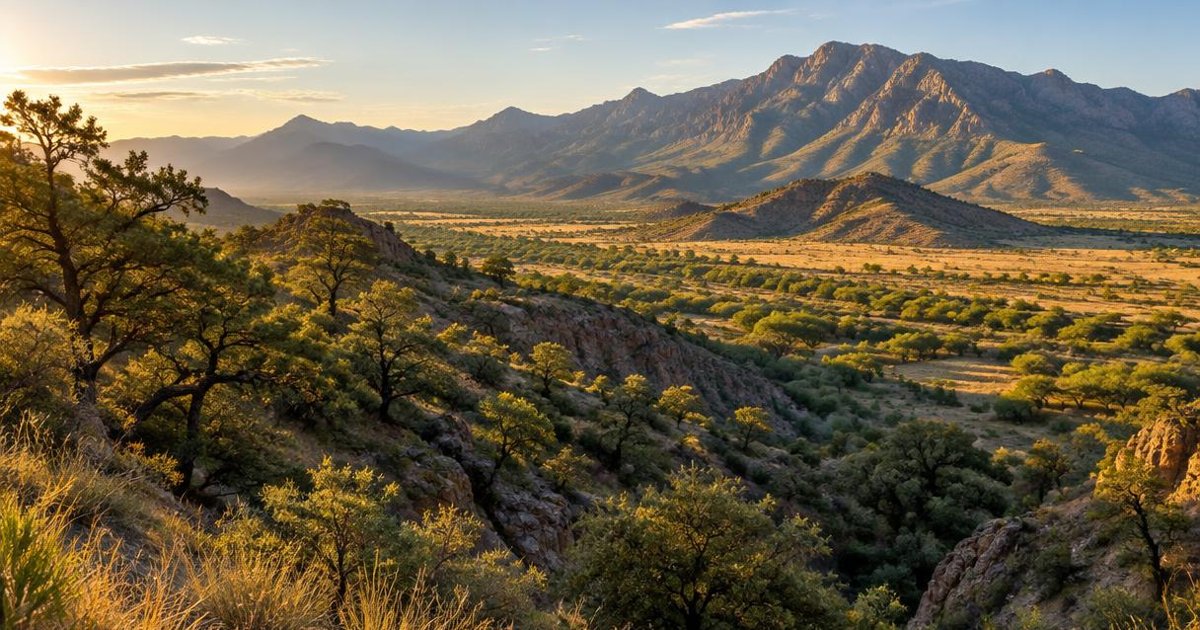
Southeast Arizona is one of those places people talk about for years before they finally go. Desert flats, oak canyons, pine ridges—sometimes all in the same day if you're willing to climb. A local guide who birds these mountains every week can turn that mix of habitats into a coherent plan instead of a long drive with a thin list.
This isn't a species checklist. Birds come and go with season, weather, and luck. What follows is how to plan a guided trip so the day itself works: the right kind of outing, realistic timing, and logistics that don't leave you wilted by noon.
Why Southeast Arizona draws birders
The short answer is the Sky Islands. Isolated mountain ranges rise out of the Sonoran and Chihuahuan deserts, and each range stacks habitats by elevation. You can start in mesquite and end the morning in pine-oak woodland without crossing a state line.
That vertical range is why birders come. Different elevations hold different communities of birds at different times of year. It is also why a guide who knows which canyon is productive in April versus August is worth more than another map pin.
If you're comparing options, start with the Southeast Arizona birding guides page, then widen to Arizona if you want guides who also cover Tucson, Portal, or other bases.
Habitats and elevation in the Sky Islands
Think in layers rather than a single "Arizona" habitat.
Desert and grassland. Lower elevations warm early. Mornings can be excellent; mid-afternoon heat is real in late spring and summer. Guides often use these areas early, then move upslope.
Riparian corridors. Creeks, washes, and cottonwood-willow stretches concentrate birds when surrounding country is dry. Access and water levels change with season and monsoon storms.
Oak woodland and canyons. Mid-elevation canyons are classic SE Arizona birding. Trails can be rocky, shady, and steep in places. A guide who knows which side canyons are open or washed out this year saves a lot of backtracking.
Pine-oak and higher forest. Cooler, higher, sometimes windier. Useful when lower elevations are quiet or hot. Roads to some trailheads are rough; ask about vehicle needs before you book a rental based on a paved-road assumption.
You don't need to master every canyon name before you arrive. You do need to tell a guide whether you want variety across elevations, a focus on one habitat, photography pace, or a gentler day with less climbing.
Timing your trip (without guaranteeing birds)
Season shapes the trip more than any single hotspot.
Late winter into spring. Many birders aim for the shoulder between winter residents and spring movement. Days lengthen, mornings can still be cold at elevation, and afternoon warmth returns to the desert. Ask a guide what they prioritize in the months you can travel—answers vary by canyon and by year.
Peak spring. Migration and breeding activity overlap in ways that change week to week. Trails get busier. Book lodging and guides earlier if your dates are fixed around a holiday weekend.
Summer and monsoon. Heat at lower elevations is the main constraint. Guides often start very early, work shaded canyons, and treat midday as downtime. Afternoon storms can close dirt roads or change plans with little notice. Humidity and green-up after rains alter where birds concentrate; a local will know what's currently worth the drive.
Fall. Another migration window, with different daytime heat and different crowd levels than spring. Still worth asking which elevations a guide likes for your specific week.
Skip the "best month for X species" promises. Ask instead: If I can only come once this year, which window fits my interests and my tolerance for heat and early starts? That question gets honest answers.
Half-day, full-day, or multi-day with a guide
Half-day. Good if you're based in Tucson or Sierra Vista and want one focused morning, or if you're testing a guide before committing more days. Expect an early meet, a couple of habitats, and wrapping before the worst heat when it's that kind of season.
Full day. The usual format for visitors. Often includes elevation change, a packed lunch or a planned stop, and enough time for a slower stretch when something interesting shows up. Confirm walking distance and how much driving is baked in—SE Arizona days can involve more windshield time than forest-lodge trips elsewhere.
Multi-day. Makes sense when you want Portal-area canyons one day and a different range the next, or when you want owling or night options folded in carefully. Multi-day work also lets a guide rebuild the plan if weather or access shifts. Agree in advance what's included: vehicle, entrance fees, meals, and what happens if a road closes.
Private versus shared group matters here. Small groups move quieter in canyons and spend less time shuffling people to a scope. If you're a photographer or want a flexible target list, say so before you lock a shared departure.
Logistics that matter in SE Arizona
A few practical points come up again and again:
- Early starts. Dawn birding is the rule, not the exception. Ask for the exact meet time and whether hotel pickup is offered.
- Heat and water. Carry more water than feels polite. Guides know shade patterns; still plan for sun, a hat, and a midday break when temperatures climb.
- Elevation. Going from desert floor to pine forest in a morning is normal. If altitude bothers you, say so—guides can weight the day toward mid-elevations.
- Roads and vehicles. Some trailheads want high clearance. Confirm whether you're in the guide's vehicle and what kind it is before you assume a compact rental will follow all day.
- Sun, dust, and monsoon mud. Same region, different seasons. Footwear with grip helps on rocky canyon trails either way.
- Border-area common sense. Parts of SE Arizona are near the international border. Stick to well-used birding roads and public access, follow posted rules, and take your guide's lead on where to park and walk. No need to treat the landscape as a hazard—just don't improvise into closed or unmarked areas.
Also confirm deposits, cancellation terms, and what's included in writing. Bird Tripping is a free directory: you contact guides directly and arrange booking and payment with them. No platform booking fee on our side.
How to find Arizona guides on Bird Tripping
- Open Southeast Arizona for guides focused on the Sky Islands, or Arizona for a wider list.
- Read how each guide describes pace, group size, and the areas they cover.
- Message two or three with your dates, experience level, and whether you want a half-day, full day, or a short multi-day stretch.
- Ask about ethics, heat plans, and realistic targets for your month—the same kind of questions in our how to choose a local bird guide checklist.
You're looking for specific, hedged answers, not guarantees. A guide who says "likely here in the morning, long shot in the afternoon heat" is usually the one you want.