
Why Hiring a Local Bird Guide Is Worth It (Beyond Rare Birds)
By Bird Tripping · · 6 min read
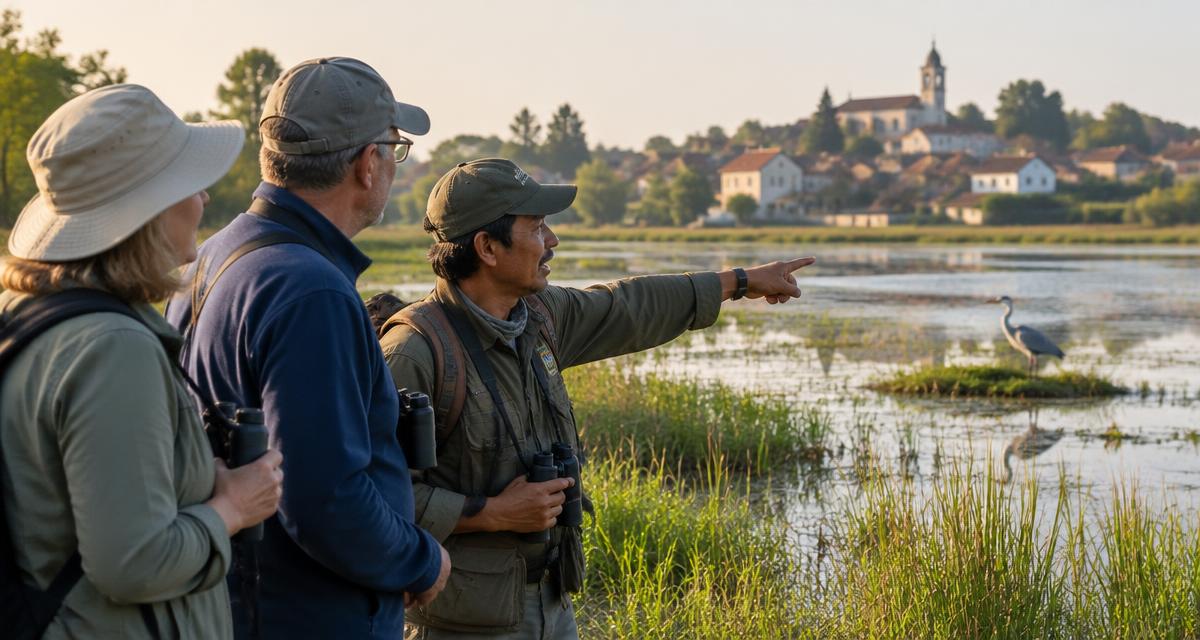
The usual reason people hire a bird guide is to find birds they couldn't find alone. That's a good reason, but it isn't the only one, and often not the most important. Here's what a local guide adds to a trip even when the birds are cooperative.
Local knowledge you can't download
Apps and checklists tell you what has been seen. A local guide knows why, and what has changed: which trail washed out last season, which gate opens late, where a fruiting or flowering tree is drawing birds this week, and which spots are worth it in the heat of the day. That context is hard to get any other way, and it changes from month to month.
More birding, less wasted time
On a short trip, time is the scarcest thing you have. A guide plans the route around bird activity, knows realistic driving times, and handles small problems such as permits, access and local arrangements. Many travelers find a guided day or two at the start of a trip helps them bird far more efficiently for the rest of it.
You become a better birder
Learning a new region's birds by ear and by behaviour is much faster beside someone who already knows them. Good guides explain how they're identifying a bird, point out similar species and teach you the common calls. That stays with you long after the tour ends.
Your money supports conservation and communities
When birding tourism provides local income, it can strengthen the case for protecting the forests, wetlands and grasslands birds depend on. Hiring a local guide, staying in local lodges and paying reserve fees all contribute to that. Many guides are also involved in monitoring, education or habitat projects; it's worth asking what they're part of.
Booking directly with a local guide means more of what you pay stays with the people doing the guiding. On Bird Tripping, listing is free for guides and you arrange booking and payment with them directly.
Responsible birding by default
Experienced local guides know which species are sensitive to disturbance, where nesting birds should be left alone, and what local rules and landowners expect. Birding with them helps visitors avoid causing problems they would never have known about.
Safety and comfort
Knowing which areas are best visited with a local, what wildlife or weather hazards to watch for, and how to handle unfamiliar roads makes for a calmer trip. That peace of mind is especially valuable on a first visit to a country.
When going it alone makes sense
Not every day needs a guide. Well-marked parks with good public information can be rewarding on your own, and many birders combine a few guided days with independent birding. The point is to hire a guide where they add the most: unfamiliar habitat, difficult access, or the start of a trip when everything is new.
If you're unsure who to pick, our checklist on how to choose a local bird guide covers the questions worth asking.