
Oaxaca Birding With a Local Guide: How to Plan Your Trip
By Bird Tripping · · 5 min read
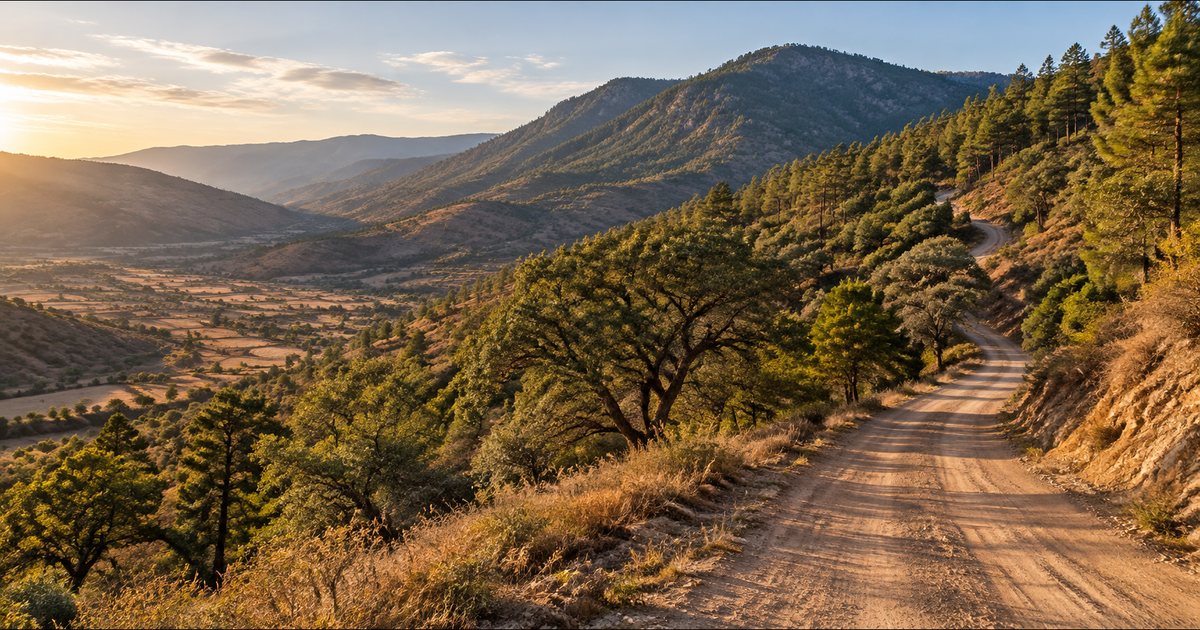
Oaxaca is one of Mexico's most rewarding states for birders, and one of the easiest to combine with everything else people travel there for: food, markets, archaeology, and a lively colonial city. Mountains fold across most of the state, and that rugged ground has produced a lot of birds found only in Mexico. For many visiting birders, those Mexican endemics are the main reason to come.
A local guide matters here because the good birding is spread across very different country, from dry valley scrub near the city to pine-oak and cloud forest high in the sierras to the Pacific coast. Knowing which road, which ridge, and which hour is the real skill.
As always, this isn't a species promise. It's a planning guide for getting good days with someone who knows the ground.
Why birders go to Oaxaca
Three things come together:
- Endemics. Mexico has a long list of birds that live nowhere else, and Oaxaca's mountains and valleys hold a good share of them.
- Habitat range in a short drive. From Oaxaca City you can reach dry scrub, oak woodland, and high pine forest in a morning.
- A great base. Oaxaca City has an airport, plenty of places to stay, and enough non-birding interest that a travel partner who doesn't bird will still have a good trip.
Start with the Oaxaca guides page, or browse all of Mexico if you want to combine Oaxaca with Chiapas or the Yucatán.
Three zones a guide will work with
The Central Valleys. The country around Oaxaca City is dry: thornscrub, cactus, and farmland, with archaeological sites like Monte Albán and Yagul whose grounds are well known to birders. Mornings here can be very productive, and it's close enough to bird before breakfast.
The mountains. North and south of the valleys the land rises into oak, pine-oak, and, on wetter slopes, cloud forest. The road up into the Sierra Norte above the city is a classic for good reason. It's cooler and often misty up there, and birding is a slow walk along roads and trails rather than a quick stop.
The Pacific coast. Down the far side of the Sierra Madre del Sur, around Huatulco and the coast, it's hot lowland forest, mangroves, and ocean. The coast is a different trip entirely, with different birds. Some local outfits also run pelagic trips from Huatulco.
A first-time visitor usually wants the valleys and mountains, with the coast as an optional extension.
Dry season and rainy season
Oaxaca's year divides roughly into a dry season, about November to April or May, and a rainy season, about May or June to October.
Dry season is when most visiting birders come. Skies tend to be clear, roads are easier, and wintering birds from the north are present along with resident species. Mountain mornings can be properly cold, so bring a warm layer.
Rainy season greens everything up and many residents breed, but afternoon storms are common, mountain roads can get rough, and fog can sit on the ridges. Plenty of guides work through it. Expect a more flexible plan.
Ask your guide what they'd prioritize for your specific weeks. Conditions vary year to year, and a local will know what's happening now.
Day trips from Oaxaca City vs a multi-day loop
Day trips. If you're staying in the city and mixing birding with other travel, a guide can run focused days: a valley morning one day, a mountain day the next. This is the easiest way to start, and a good way to try a guide before committing to more.
Multi-day loop. If birding is the main goal, a three- to six-day loop lets a guide put you in the mountains at dawn instead of after a long drive, and fit in different ranges and elevations. Ask what's included: vehicle, lodging, meals, and park or community entry fees.
Some mountain areas are community-managed, and visitors pay a small entrance fee or use local guides or facilities. A good guide will know the arrangements and handle them respectfully.
Adding the coast and a pelagic
If you have extra days, the Huatulco area adds lowland and coastal birding, and the possibility of a boat trip offshore. A few things to know:
- The drive between Oaxaca City and the coast is long and winding over the mountains. Many people fly or plan it as a travel day.
- Pelagic trips depend on sea conditions and aren't guaranteed to run. Ask about rescheduling and seasickness before booking.
- Coastal heat is a real change from the highlands. Our tropical packing list is a good reference for that part of the trip.
Practical notes for Oaxaca
- Altitude. Oaxaca City sits around 1,500 meters (about 5,000 feet), and the mountains go much higher. Take it easy on day one.
- Cold mornings. In the dry season, high-elevation dawns can be near freezing. Pack layers.
- Roads. Mountain roads are slow. Let the guide drive and plan the timing.
- Language. Many Oaxaca guides speak English. If that matters, ask when you first message.
- Respect for communities. Some birding sites are on communal land. Follow your guide's lead on permission, fees, and photography of people.
- Health and documents. Check entry requirements and see a travel clinic before the trip. Our post on planning your first international birding trip has a fuller checklist.
Finding an Oaxaca guide on Bird Tripping
The Oaxaca page lists local guides and companies. One example is Tierra de Aves, an Oaxaca-based birding company that offers day tours, multi-day trips around the state, and pelagic outings from Huatulco.
When you message a guide, include your dates, how many days you have, whether you want the coast, and your experience level. Then use the questions in our how to choose a local bird guide checklist. Honest, hedged answers are a good sign.
Bird Tripping is a free directory. You contact guides directly and agree booking and payment with them. We don't charge a booking fee.