
Rio Grande Valley Birding With a Local Guide: Seasons and Day Strategy
By Bird Tripping · · 6 min read
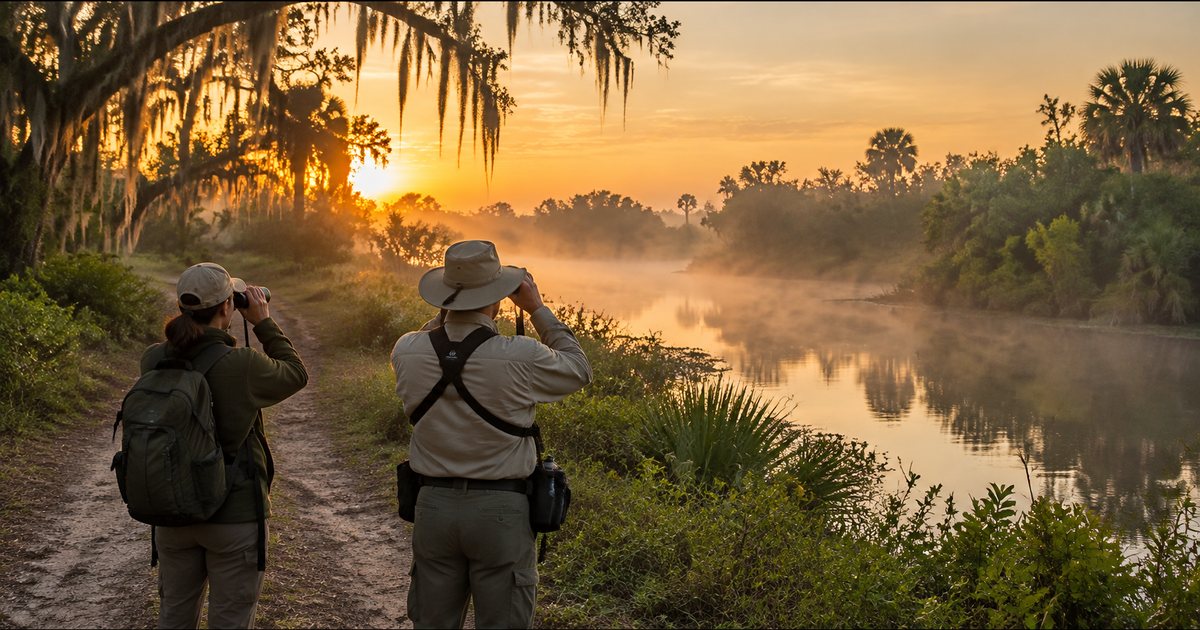
The Lower Rio Grande Valley sits at the southern tip of Texas, where the river bends toward the Gulf. Birders talk about it the way they talk about Southeast Arizona: a place where the edge of one bird world rubs against another. Some birds that are common a short drive south in Mexico reach the United States here and almost nowhere else.
That edge effect is the draw. It's also why a local guide is useful. The Valley is long, flat, and spread out, the good habitat comes in patches, and which patch is worth your morning changes with season, water, and wind. A guide who birds it every week can turn a map full of parks into a plan.
This isn't a target list. Birds move, and nobody can promise a particular species on a particular day. What follows is how to think about the region and how to set up guided days that actually work.
Why the Rio Grande Valley is different
Most of the Valley is farmland and towns now. What's left of the native thornscrub and riverside woodland survives in refuges, state parks, and private tracts strung along the river from roughly Falcon Dam down to the coast near Brownsville and South Padre Island.
So you're not birding one big wilderness. You're birding islands of habitat, and the drive between them is part of the day. Guides earn their keep by knowing which islands are active this week, which feeders are stocked, and where water is sitting after rain or drought.
Start with the Rio Grande Valley guides page, then widen to South Texas or all of Texas if you want someone who can also cover the coastal bend or the Hill Country.
The habitats a guide will mix
A good Valley day usually moves through two or three of these.
Riverside woodland and thornscrub. Dense, low, and often humid. This is the heart of the Valley experience, found in places like Santa Ana National Wildlife Refuge and Bentsen-Rio Grande Valley State Park. Birds can be close but hard to see. Feeding stations and water features at some parks help, and a guide will know how they're being run this season.
Resacas and wetlands. Resacas are old river channels that hold water. Along with managed ponds at spots such as Estero Llano Grande State Park, they concentrate waterbirds and the birds that hunt around them.
Coast and tidal flats. Toward Brownsville, South Padre Island, and Laguna Atascosa National Wildlife Refuge, the country opens up. Shorebirds, waders, and coastal migrants are the focus. Wind matters a lot here.
Ranchland and upriver brush. West toward Starr and Zapata counties the land gets drier and emptier. Some birders come specifically for this drier country. Access often depends on private land arrangements, which is a big reason to go with someone local.
Tell your guide which of these matter most to you. A first visit usually wants a taste of each. A return visit might spend a whole morning on one habitat chasing something you missed last time.
Seasons, honestly
Winter (roughly November through February). Mild days, comfortable walking, and a mix of resident Valley specialties with wintering birds from further north. This is when a lot of visiting birders come, and when the Rio Grande Valley Birding Festival in Harlingen is held each fall. Occasional strays from Mexico turn up in winter and draw crowds; your guide will know whether something is being seen and whether it's worth the drive.
Spring (roughly March through May). Migration moves through, especially along the coast, and resident birds start breeding. Weather systems off the Gulf can change a coastal morning from quiet to busy and back. Ask a guide how they read the forecast for migrants.
Summer. Hot and humid. Birding happens at dawn and in the last hour of light, with midday as downtime. Some birders like summer for breeding residents and fewer people. Be honest with yourself about heat.
Fall (roughly August through October). Another migration window, and often still hot early on. Hawk movement and coastal fallouts can both happen. Hurricane season overlaps here, so build in flexibility.
Rather than asking "what's the best month," try asking: If I can come only once, which window fits what I want to see and how much heat I'll put up with?
How to structure two to four days
One day. Pick a side. A guide can do a good woodland-and-wetlands loop around McAllen and Mission, or a coastal day out of Brownsville and South Padre. Trying to do the whole Valley in one day mostly means driving.
Two days. One day for the mid-Valley woodland and resacas, one for the coast. This is a solid first trip.
Three to four days. Add a day upriver for the drier country, or keep a flex day you can point at whatever is being reported. The flex day is underrated. Valley birding is reactive, and a guide who can say "let's go here tomorrow instead" is worth a lot.
Ask whether a guide works out of one base or moves with you. From the coast to the upriver dams is well over 100 miles, and a smart base cuts a lot of windshield time.
Public parks, private ranches, and access
Much of the best-known Valley birding is on public land with entrance fees, opening hours, and posted rules. Some parks have specific gate times or limit vehicles on certain roads. Your guide should know the current situation; confirm whether entry fees are included in the price.
Private ranches and land trusts hold some of the drier upriver habitat. Access usually goes through someone with a relationship with the owner. Never assume you can walk onto private land because a bird was reported nearby.
The river itself is an international border. Stay on public trails and areas your guide uses, follow posted signs, and don't improvise. Our post on birding ethics with a local guide covers playback, feeders, and rare-bird crowds, all of which come up in the Valley.
Practical logistics
- Mosquitoes and chiggers. Common in woodland and grass, especially in warm months. Long sleeves, socks over trousers, and repellent help.
- Early starts. Dawn is prime time year-round. Ask exactly when and where you meet.
- Wind. Coastal mornings can be calm or blowing hard. A guide may flip the plan to sheltered woodland on a windy day.
- Water and shade. More than you think, even in winter on sunny days.
- Paperwork. Confirm in writing what's included: vehicle, park fees, lunch, and cancellation terms.
Bird Tripping is a free directory. You contact guides directly and agree booking and payment with them. We don't charge a booking fee.
Finding a Valley guide on Bird Tripping
- Open the Rio Grande Valley page, or South Texas for a wider list.
- Read how each guide describes their area, group size, and pace.
- Message two or three with your dates, experience, and which habitats you care about most.
- Use the questions in our how to choose a local bird guide checklist. The answers you want are specific and hedged, not guarantees.